Schedule a call!
The pit in your stomach when that supposed best-fit hire doesn’t last a month is all too familiar. Even after putting candidates through every round of candidate evaluation and reference checks, you still get flagged with answers too inconsistent and left scrambling to explain workplace losses and soaring employee turnover. There’s that frustration when a candidate seems buttoned up during interviews but absenteeism creeps in, eroding team accountability.
It doesn’t have to stay this way. By using a validated honesty integrity test, backed by experts like Dr. Frank L. Schmidt, HR professionals can screen out riskiest hires with precision. See fewer workers’ compensation claims and boost trustworthiness.
Organizations that introduce integrity testing as a standard screen often see double-digit drops in workers’ compensation claim costs within the first year. Pre Employment Test Cuts Workers Comp Claims
You can finally build the culture of dependability and ethical decision-making that makes your organization proud.
What Is an Honesty Integrity Test?

Honesty integrity tests are standardized, validated pre-employment assessments designed to help organizations identify trustworthy and dependable new hires. As part of a modern employee screening approach, these assessments reduce workforce risk by evaluating a candidate’s ethical decision-making and likelihood of workplace theft. Research led by Dr. Deniz S. Ones shows these assessments offer strong predictive validity. Mean observed validity estimates and validity estimates corrected for unreliability in the criterion were .26 and .32 for counterproductive work behavior when predicting individual work behavior with integrity-specific scales.
Two main types exist:
- Overt integrity test: These feature direct questions, such as “Have you ever taken company property?” or, “Would you report a co-worker for stealing?”
- Covert integrity test: Sometimes called personality-based tests, these take an indirect approach, probing attitudes and traits connected to dependability, conscientiousness, and rule compliance.
Honesty integrity tests predict red flag behaviors and help screen out candidates likely to undermine workplace culture. With validated assessment tools, HR teams can reduce workplace theft by 16% and absenteeism by 23%.
Personality-based integrity testing can cut voluntary turnover by more than a third when paired with clear attendance and safety expectations. Slash Turnover By 37 Revamp Your Workplace
Used as a screen-out measure, they help ensure robust candidate reliability, giving every candidate evaluation more depth than just passing the sniff test at the interview table. As hiring mistakes get costlier, integrity test adoption is rising in evidence-based hiring.
How Do Honesty Integrity Tests Reduce Workforce Risk?

A 2012 reanalysis of integrity-test data argued that when properly specified and corrected, integrity tests predict counterproductive work behaviors and job performance well, challenging earlier claims that their validities were weak or unreliable. This data-driven hiring approach offers organizations high-impact tools for reducing applicant risk and avoiding costly hiring mistakes. According to Adam Grant, weaving these tests into your screening tool strategy can significantly improve employee dependability and morale across departments. Even when faced with rising development costs or concerns about test bias, results remain positive.
| Test Type | Method | Predicts | Validity (.43-.65) | Risk-Reduction Impact |
|---|---|---|---|---|
| Overt/clear-purpose | Direct questions | Theft, rule breaking | High | Strong; fewer work comp claims, safety outcomes |
| Covert/personality-based | Indirect personality traits | Absenteeism, job performance | Very high | Strong; reduces turnover and applicant faking |
For instance, overt integrity tests ask candidates about theft or policy adherence outright, screening out red flag behaviors. Covert, personality-based test formats instead dig into conscientiousness and reliability, which may help you identify candidate dishonesty or employee reliability without obvious cues.
Best-practice tips for screening tool success:
- Layering: Combine integrity test results with interviews and reference checks.
- Maintain fairness: Use ADA-compliant, validated tests and monitor adverse impact.
- Safeguard incremental validity: Avoid rubber-stamping by regularly updating job analysis and assessment validity data.
Apply Honesty Integrity Tests for Better Hiring Outcomes

Imagine morale rising as screening uncovers candidates with real ownership of behavior. No red flag on the resume, and a noticeable bump in productivity. That’s the outcome when HR follows findings that carefully defining the types of counterproductive behaviors you want to reduce and aligning your integrity assessment and follow-up HR practices with those targets.
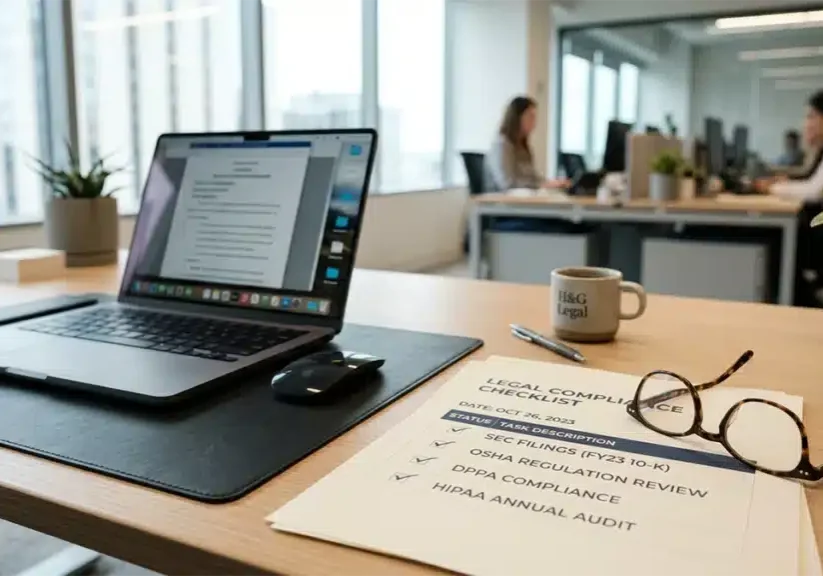
Implementation Checklist:
- Validated Assessment: Choose a research-backed tool designed for job suitability and organizational risk reduction.
- Legal Compliance: Review test administration for ADA requirements and minimize adverse impact.
- Screening Integration: Blend the honesty integrity test with background screening.
- Candidate Communication: Explain test purpose to boost employee trust.
- Ongoing Fairness: Audit results for false negatives.
- Review Utility: Reevaluate utility annually, ensuring candidate fit aligns with workforce quality goals.
Consult IntegrityFirst Tests for implementation expertise and proven strategies to cut workers’ compensation claims.
Linking integrity testing with targeted safety coaching can reduce OSHA‑recordable incidents enough to materially lower your experience modification rate. Osha Recordable Incident Rate
Reach out now to start building your trusted, high-performing team.
By committing to this bullet-proof process, HR leaders (much like Laszlo Bock in his days at Google) steer clear of rubber-stamping and deliver real performance predictor value for every employee selection.