Schedule a call!
You know the gut-punch when an unreliable hire takes down your team’s morale and churns through training budgets. ASME’s integrity management standard for gas pipelines highlights that a systematic comprehensive integrity management program helps organizations allocate resources for prevention and detection activities to reduce the likelihood and consequences of incidents. Like a high-stakes risk audit, every overlooked misstep multiplies organizational risk and embarrassment.
Relying on gut instinct is not enough in today’s talent pipeline. Modern HR leaders need more than anecdotes to steer hiring decisions. To achieve measurable, best-in-class hiring outcomes, you need qualified, practical tools that spotlight job fit and candidate honesty right from the start.
This guide is your playbook for adopting evidence-based integrity assessment, avoiding confusing integrity tests, complying with regulations, and building a trustworthy workforce. Expect advanced practical advice and actionable reports, legal defensibility strategies, and clear answers to the questions HR pros wrestle with in the trenches, especially those around privacy concerns, compliance risk, and high-impact cost reduction.
What Is Integrity Assessment?
An integrity assessment is a pre-employment screening tool used to evaluate a candidate’s honesty, rule-following, ethical decision-making, and likelihood to align with workplace ethics. These assessments help HR leaders predict workforce reliability, reduce risk, and support compliance with company policies and legal standards.
Integrity assessments come in several forms:
| Type | Description | Example Question |
|---|---|---|
| Overt Integrity Test | Directly asks about behaviors and attitudes toward misconduct | “Have you ever lied to an employer?” |
| Personality-Based Integrity Test | Measures underlying traits linked to counterproductive work behavior | “Do you sometimes ignore rules at work?” |
| Situational Judgment Test | Presents ethical dilemmas, gauges responses and rule-following | “What would you do if you saw theft?” |
Used strategically, an integrity assessment allows HR to move the needle on trust and job performance by identifying candidates who demonstrate accountability and reliability from the start. Just as Susan Heathfield recommends, a well-chosen assessment supports a screen-in hiring philosophy. This helps you build stronger teams.
1. Reduce Turnover and Poor Hires With Data-Informed Screening
Relying on informed consistent data can dramatically improve workforce stability. The ASME gas pipeline integrity management code demonstrates how gathering and reviewing data, followed by structured risk assessment and defined integrity assessment intervals, can systematically reduce failures. This approach mirrors using pre-hire integrity data to lower the risk and cost of bad hires.
Validated integrity testing has been shown to reduce workers’ compensation claim frequency by screening out applicants with high accident and rule‑violation risk profiles. Read more in our article: Pre Employment Test Cuts Workers Comp Claims
Identify High-Risk Candidates Before the Cost Mounts
Many organizations still get blindsided by job candidate screening failures and expensive turnover. By using honesty assessment tools and validating them with structured interviews, you flag high-risk candidates before they impact team dynamics. For example, companies applying robust ethical hiring methods saw a 7.8% improvement in workforce quality over five years. This directly correlates with better retention and reduced theft.
Minimize Turnover and Boost ROI
For instance, pairing a screening tool with interviewer calibration leads to a drop in turnover. One large retailer improved job performance scores by integrating actionable reports and training managers to notice red flag inconsistencies. Teams wearing blazer jackets in assessment panels even treat each evaluation like a compliance check. This brings professionalism and accountability to every hire.
Steps to Make Screening Smarter
You could:
- Prioritize structured interviews for roles with high-risk indicators.
- Train hiring managers to identify false positives.
- Blend integrity assessments with behavioral-based questions to deepen insight.
- Schedule regular reviews for incremental validity.
2. Improve Workplace Culture and Trust Using Integrity Data
Picture your organization where trust is second nature and every team member knows they belong. Using integrity data lets you set a standard for ethical decision-making and candidate reliability from the start of the hiring process. When employees know they were chosen for both skill and character, it affirms a culture of open communication and respect for organizational rules.
For instance, leaders who act on workforce screening results see a measurable boost in employee trust. Paired with transparent communication and strong data privacy, integrity assessments help foster loyalty and reduce employee fraud. Teams become resilient. New hires hit the ground running because they know workplace rules are more than window dressing.
Simon Sinek often reminds leaders to walk the talk, not just post values on the wall. Integrity-driven hiring, including candidate evaluation around fit, proves that your organizational standards are real. By prioritizing clear feedback, you both reduce workplace risk and build reputation as a trusted employer. One who invests in people and ethics, not just payroll.
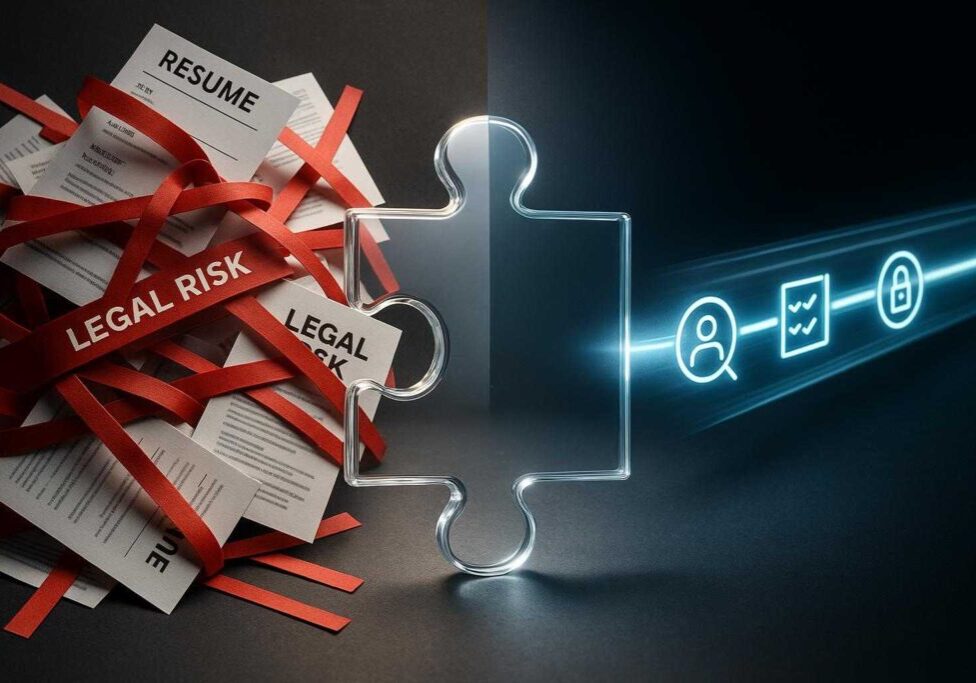
3. Ensure Legal Compliance and Privacy in Assessments
Legal compliance in assessments is non-negotiable but easier to get wrong than most HR pros realize. ASME’s B31.8S integrity management standard was developed and approved under accredited procedures as an American National Standard, balancing input from industry and academia and undergoing public review before adoption. This illustrates how robust integrity frameworks are built on transparent, multi-stakeholder governance and formal compliance processes. This same rigor applies to talent selection: you must balance business priorities with legal defensibility and privacy.
| Compliance Area | Key Requirement | Data Storage Rule | Prohibited Actions |
|---|---|---|---|
| EEOC Guidelines | Job-related assessment only | Store 1–2 years minimum | Asking about protected class data |
| GDPR Compliance | Candidate data protection, consent needed | Secure, limited access | Retaining unnecessary data |
| EPPA-Compliant | No lie-detector use pre-hire (except when allowed legally) | Retain for audit only | Requiring polygraphs illegally |
For example, common pitfalls include gathering data not directly relevant to job fit, or failing to issue clear communications. Addressing these risks requires HR to prioritize transparency and use secure assessment platforms. For instance, a clear onboarding journey message about assessment purpose strengthens trust and legal defensibility.
Organizations that link integrity scores with safety and conduct metrics have documented double‑digit reductions in OSHA‑recordable incidents and safety‑related turnover. Read more in our article: Slash Turnover By 37 Revamp Your Workplace
4. Drive Smarter Hiring With Actionable Integrity Reports
Building a best-in-class workforce is not only about finding purple squirrels; it’s about having repeatable systems that give reliable insights. Actionable integrity reports are your bridge from screening to ROI. These reports help you link predictive validity to real hiring decisions and actively manage workplace risk and corporate governance.
How to Maximize the Power of Integrity Reports:
- Seamless HR integration: Feed candidate risk profile data directly into your HR tech stack for fast consistent reviews.
- ATS integration: Automate the handoff between applicant tracking and hiring decisions to maximize efficiency.
- Actionable insight: Enable managers to spot high-risk candidates.
- Document defensible decisions: Support employee accountability, legal compliance, and long-term job tenure documentation in every case.
- Continuous improvement: Make every job applicant assessment and onboarding review count by linking results to ROI.
One large employer cut preventable injuries and claims by calibrating hiring decisions around integrity risk bands and then reinforcing expectations in early‑tenure safety training. Read more in our article: Workplace Safety Training
Make Better Hires With IntegrityFirst Tests
Ready to ring the bell on your next mission-critical hire? IntegrityFirst Tests gives HR leaders best-in-class screening with science-backed predictive validity. It helps you filter out high-risk candidates without slowing your HR automation. With customizable risk models, you boost workplace trust and build a talent pipeline matched for cultural fit. Invite your team to a demo today and see how evidence-based integrity tools transform hiring outcomes.
Hire Smarter With Integrity Assessment
Integrity assessments transform the hiring process, helping HR leaders cut hiring risk, contain costs and build reliable teams. A compliant data-informed system moves your hiring from gut checks to science-backed results. For organizations focused on bench strength and cultural fit, tailored platforms like IntegrityFirst Tests offer proven measurable value.
As Patrick Lencioni teaches, sustained team trust is not left to chance. It is cultivated by sound strategy and the right tools. Now’s the time to put those insights to work for you. Discover how a tailored integrity assessment unlocks better outcomes. Connect today for a custom evaluation and move your hiring forward with confidence.