Schedule a call!
When employers first come across the concept of integrity testing, one of the immediate concerns is fairness. People often ask, “Do integrity tests discriminate against certain groups of people? Could these tests unintentionally block qualified candidates from being hired?”
It’s an important question to ask because discrimination in hiring is a serious issue—legally, ethically, and reputationally. Employers want to build teams that are diverse, inclusive, and fair. No one wants a tool in their hiring process that creates bias or eliminates great candidates for the wrong reasons.
The good news? Research across decades consistently shows that integrity tests are among the fairest and most equitable pre-employment assessments available. While no method of evaluation is completely free of flaws, the evidence makes it clear: if you’re wondering “do integrity tests discriminate?” the overwhelming conclusion is no—especially when these assessments are professionally developed and used correctly.
Why Employers Question Integrity Testing Fairness
Employers ask this question because they have legitimate concerns about both compliance and candidate experience. In today’s hiring environment, every tool must be examined for potential bias. If candidates perceive a test as unfair—or if data reveals uneven outcomes across groups—the entire hiring process could be called into question.
Here’s why the question “do integrity tests discriminate” keeps coming up in conversations with HR leaders and business owners:
- Legal compliance: Laws like the EEOC guidelines in the U.S. prohibit adverse impact against protected groups. Employers want to be sure integrity testing won’t trigger a legal problem.
- Fairness in candidate experience: Even the perception of discrimination can damage employer branding. Employers don’t want candidates thinking integrity tests are designed to “weed them out unfairly.”
- Practical hiring outcomes: Employers want tools that actually predict who will succeed on the job—not tools that introduce bias.
Because of these reasons, many HR leaders are cautious. They ask: “If I use an integrity test in hiring, will it disadvantage certain groups of applicants?” The short answer is that research consistently shows integrity tests are among the least discriminatory assessments available.
What the Research Says About Integrity Tests and Fairness
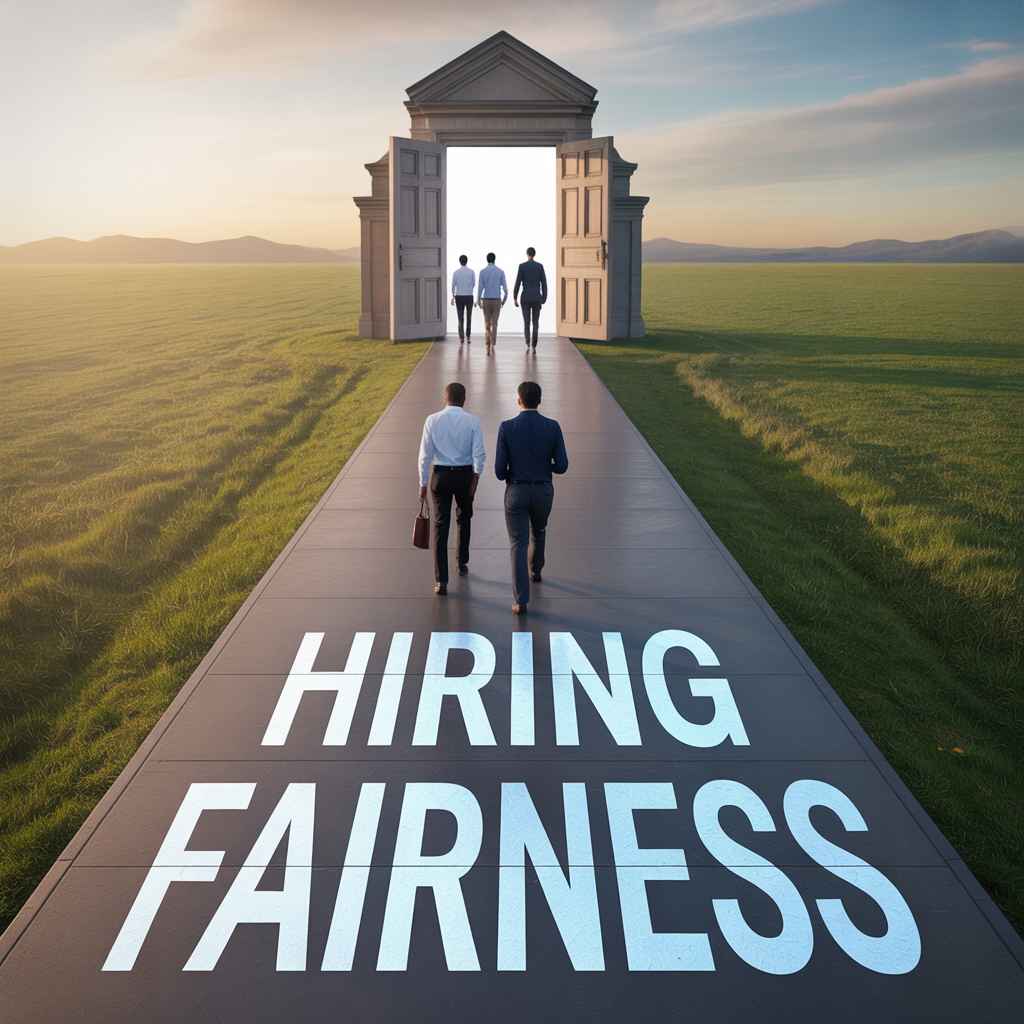
Now let’s dig into what the data really says. Researchers have studied integrity testing for decades, comparing its outcomes with other common hiring methods such as cognitive ability tests, structured interviews, and personality assessments.
The evidence is clear: integrity tests are both fair and predictive. Here’s what the numbers show:
| Hiring Method | Predictive Validity (Job Success) | Risk of Adverse Impact (Discrimination) |
| Cognitive Ability Tests | Very High | Higher (notable group differences) |
| Structured Interviews | Moderate to High | Low to Moderate |
| Personality Tests | Moderate | Low |
| Integrity Tests | Moderate to High | Very Low (minimal discrimination) |
Unlike some other tests—particularly cognitive ability assessments, which can sometimes show score differences between groups—integrity tests show negligible differences in average scores across race, gender, or other demographics. This means the fear behind the question “do integrity tests discriminate?” is largely unfounded.
In fact, experts often describe integrity tests as “low-adverse-impact tools”—a technical way of saying they don’t discriminate in a meaningful way. Employers can feel confident that when candidates take these assessments, they’re being evaluated on honesty, reliability, and ethical reasoning, not irrelevant factors that could introduce bias.
Myths vs. Facts: Integrity Tests and Discrimination
Even though the research is clear, myths still circulate. Many employers and candidates misunderstand how these tests work, which fuels suspicion. Let’s separate myth from fact when it comes to the big question—do integrity tests discriminate?
| Myth | Fact |
| Integrity tests unfairly target certain minority groups. | Decades of research prove that integrity tests show almost no adverse impact. They are one of the fairest assessment tools available. |
| Integrity tests “trap” candidates with trick questions. | Valid integrity tests use carefully designed, science-backed items. They measure consistency and honesty—not the ability to “guess right.” |
| Candidates can fake their answers, making the test unfair. | Attempts to fake or “game” an integrity test rarely improve results. Test designs catch inconsistencies, so honesty remains the best strategy. |
| Using integrity tests could create legal risks for employers. | Properly validated and job-related integrity tests are EEOC-compliant, defensible in court, and help reduce liability by preventing negligent hiring. |
💡 Takeaway: If you’re asking, “do integrity tests discriminate?” the facts show that these myths are unfounded. Integrity tests are actually a step toward fairer hiring practices.
How to Use Integrity Tests Without Bias
While research shows that integrity tests do not inherently discriminate, how you implement them matters. Like any tool, they must be applied thoughtfully and responsibly to avoid unintended bias.
Here are four best practices employers should follow:
- Choose scientifically validated tests. Always select integrity assessments that have been validated by psychologists and proven predictive of workplace behavior. This ensures the question “do integrity tests discriminate?” stays a non-issue in your process.
- Keep the tests job-related. Integrity tests should be clearly tied to essential job requirements like honesty, dependability, and trustworthiness. When tests directly relate to success in a role, they’re both fairer and legally defensible. According to Fisher Phillips, integrity tests are legally allowed under Title VII, as long as they’re not used in a discriminatory way.
- Use multiple data points. Never rely solely on an integrity test to make a hiring decision. Combine it with interviews, references, or job simulations. This creates a more well-rounded, bias-resistant process.
- Monitor outcomes regularly. Employers should track candidate data to ensure no unintended adverse impact arises over time. This proactive step reassures leadership and candidates alike that your hiring is equitable.
When you follow these steps, you can confidently answer “do integrity tests discriminate?” with a firm no. They actually support fairness by giving all candidates equal opportunity to demonstrate honesty and reliability.
For practical tips, check out How to Test Integrity in Your Hiring Process (Backed by Science).
So, Do Integrity Tests Discriminate?
Let’s bring it all together. After looking at decades of studies, busting common myths, and reviewing best practices, the conclusion is clear: Integrity tests do not discriminate when used properly.
Unlike some hiring tools that carry a higher risk of adverse impact, integrity assessments consistently show minimal group differences and strong predictive power for on-the-job performance. That means they help employers make better, fairer hiring decisions.
When people ask, “do integrity tests discriminate?” they’re usually worried about damaging their diversity goals or facing legal issues. But the reality is the opposite. Integrity tests:
- Help employers avoid negligent hiring risks
- Provide fair, research-backed measures of honesty and ethics
- Support inclusivity by leveling the playing field across candidate groups
So instead of holding back, employers should embrace these assessments as a cornerstone of ethical and unbiased hiring. If fairness and compliance are top priorities for your organization, integrity testing should give you peace of mind—not pause.
That’s why integrity testing is especially valuable in roles where trust and honesty are critical. For example, check out Top Roles Where You Must Test for Integrity Before Hiring to see where they matter most.
Bringing It All Together
If you’ve been hesitant to add integrity testing to your hiring process because of fairness concerns, the research should put your mind at ease. Far from being discriminatory, these assessments help level the playing field, ensuring you’re selecting candidates based on honesty, dependability, and ethical judgment—not on background, connections, or surface-level impressions.
For a practical perspective on implementation, you may also find these resources useful:
- How to Test Integrity in an Interview
- Questions to Test Integrity in Interviews – A CEO’s Perspective
FAQ: Do Integrity Tests Discriminate?
Q1: What exactly is an integrity test?
An integrity test is a pre-employment assessment designed to measure honesty, reliability, and ethical decision-making. It helps predict workplace behaviors like theft, absenteeism, or rule-breaking.
Q2: Do integrity tests discriminate against minority candidates?
Research shows they have one of the lowest rates of adverse impact compared to other hiring tools. In fact, they are more equitable than many traditional tests.
Q3: Are integrity tests legally defensible?
Yes. When validated and clearly linked to job requirements, integrity tests are EEOC-compliant and legally defensible in the U.S.
Q4: Can candidates fake their way through an integrity test?
It’s difficult. Well-structured integrity tests are designed to minimize “faking good” responses, and attempts to game the system rarely improve scores significantly.
Q5: Should integrity tests be used alone to make hiring decisions?
No. They work best when combined with other tools like interviews, reference checks, or skills assessments.